News & Updates
Short, practical notes on fused silica specification and supply — written for buyers and engineers, updated regularly.
Latest notes
Zircon + fused silica slurry: a published trial cut face-coat cost ~40%
A 2015 production study tested a 50/50 zircon–fused silica primary slurry and reported roughly 40% lower face-coat powder cost with comparable surface finish. Here are the trial results and limits.
September 18, 2026 · 5 min read →
Three questions shell rooms ask about fused silica
How to evaluate zircon–fused silica blends, green strength, knockout and permeability without confusing the different stages of the shell process.
September 5, 2026 · 6 min read →
Investigating red-orange surface defects linked to fused silica contamination
A customer's finished products showed red-orange patches while its existing supplier could not explain why. Two simple on-site checks — a wet-and-stand test and a magnet — indicated ferromagnetic contamination, and led to an urgent 1 MT air-freight trial. The cooperation has continued since 2020.
August 31, 2026 · 6 min read →
Why precision-casting shell rooms keep buying fresh fused silica
Ceramic shells are single-use — and the spent material cannot be economically recovered. That makes fused silica a structural, recurring purchase, not a one-off buy. Here is why low alkali and high amorphous content matter.
August 12, 2026 · 4 min read →
How to read a fused silica COA — what actually matters
A Certificate of Analysis is only useful if you know which numbers decide whether the batch will run. Here is what we put on every COA — SiO2 method, Fe2O3, amorphous content, PSD — and what to check first.
August 12, 2026 · 5 min read →
Shipping & Capacity Updates
Documented shipments, batch-level QC checks, capacity changes and product-line news from Chemsize.

54 MT Fused Silica Shipment Loaded in Two Containers
30–50 mesh fused silica sand with 200 and 325 mesh powder — 54 MT sampled on 6 September and loaded into two containers on 8 September 2026.
September 10, 2026 · 4 min read →
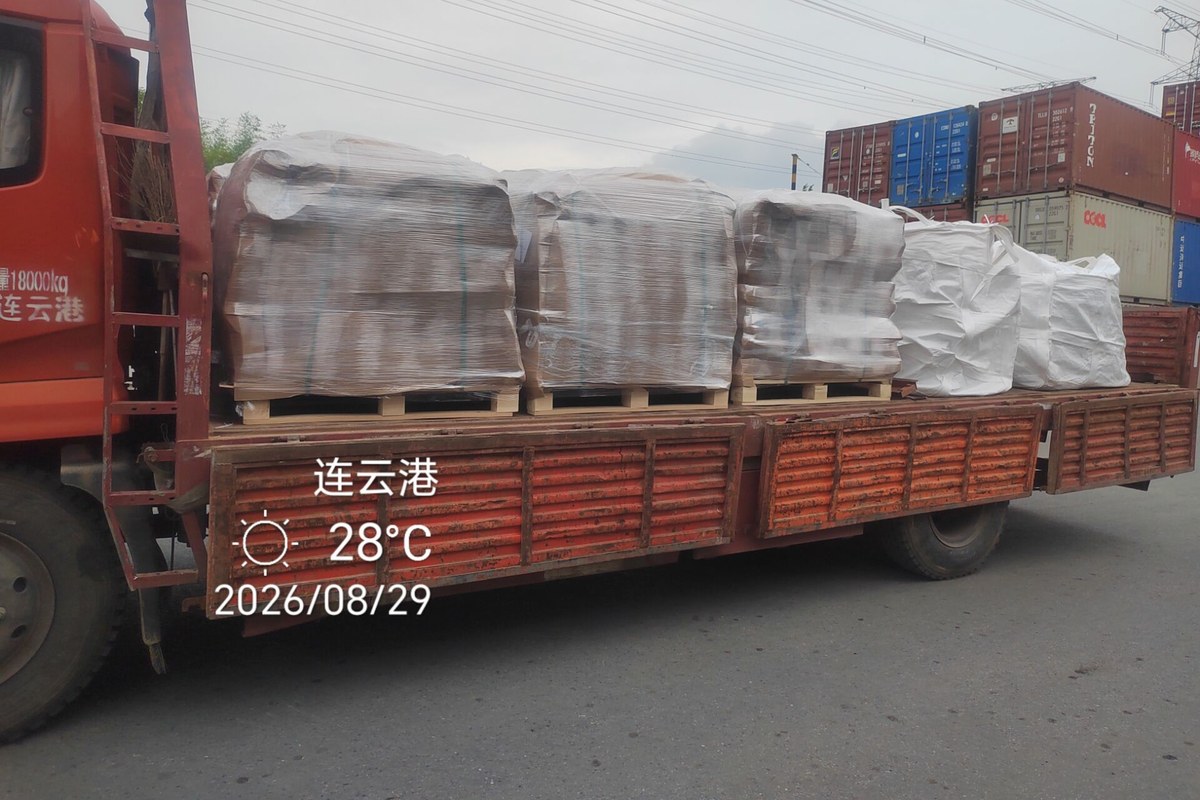
Grade A 70–140 Mesh Fused Silica Sand Shipped to Client
A Grade A fused silica shipment documented from traceable source-bag sampling and individual sieve checks to COA review and container loading.
August 31, 2026 · 3 min read →
Chemsize website relaunched with full technical documentation
Our product pages now carry the full grade comparison, the industry benchmark against typical international datasheets, and the TDS / brochure downloads. Shipping and capacity milestones will be posted in this section as they happen.
Spec it, and we'll back it with a COA
Tell us your mesh, grade, application and volume — we'll confirm PSD and lead time.
Get a Quote