Lianyungang Chemsize International Trading Co., Ltd.
A specialised fused-silica export company in Lianyungang, China — wired into the country's fused-silica production belt, enforcing batch testing and export documentation on every order.
Factory-direct material, trader-grade service
China's fused-silica industry is sharply divided: melting plants run electric-arc furnaces, and grinding plants make sized sand and powder — rarely both. Chemsize works with two partner plants that cover both sides:
- Donghai Hechuang Silica Materials — ~10 kt/y
- Jiangsu Xinda Quartz Co., Ltd. — ~20 kt/y, ISO-certified
Chemsize’s principal holds a 1% equity stake in Hechuang Silica — direct skin in the game, so batch quality there is our own interest, not just a supplier relationship.
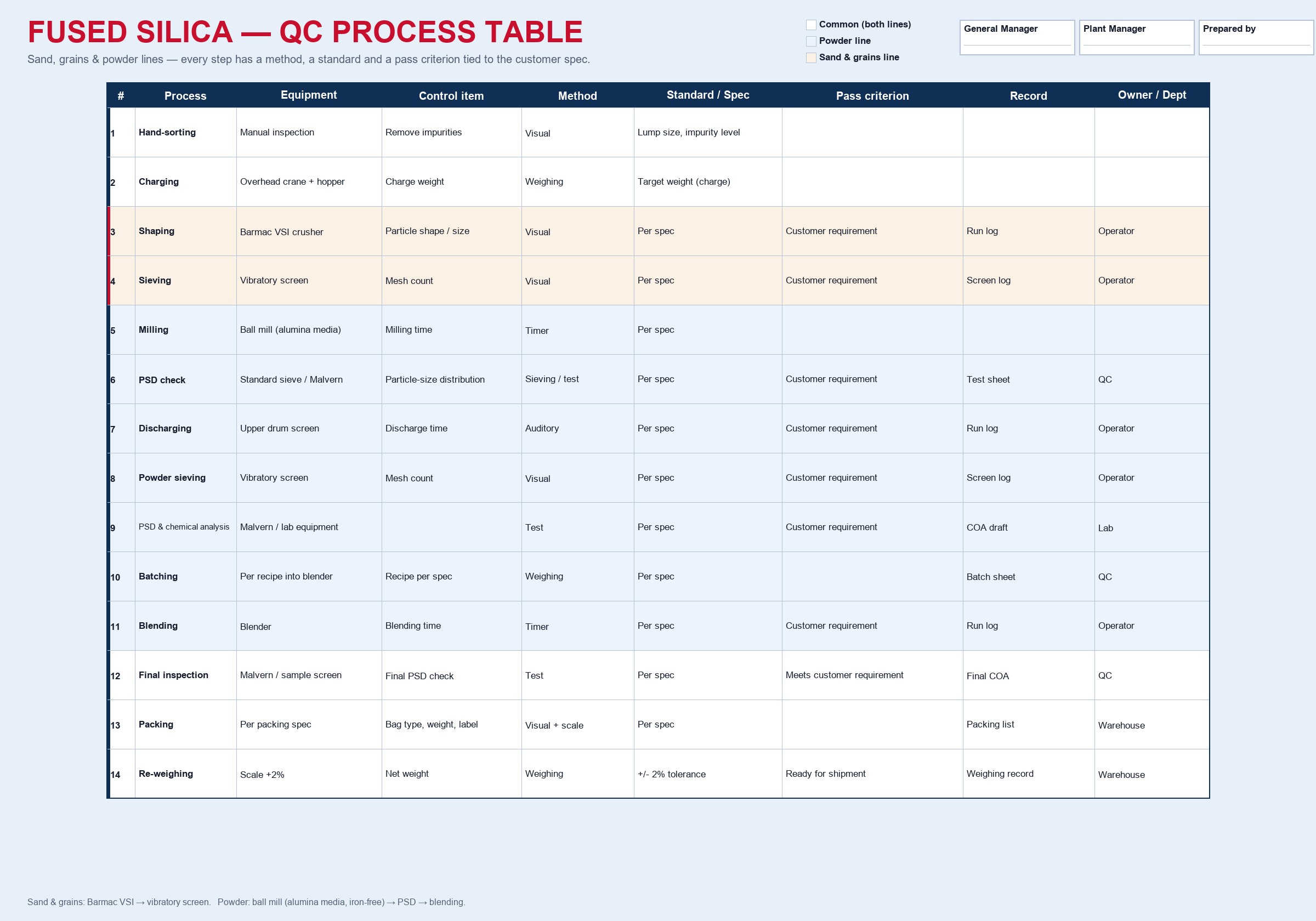
Combined capacity of ~30 kt/y means large orders and peak-season deliveries are not a constraint. Our role is to manage the interface: fix the raw-material source, enforce the 12-step QC workflow, test every batch and ship with a COA that matches your purchase specification.
From Donghai quartz lump to batch-tested sand and powder
Every step below exists for one reason: a predictable material that runs in your line without surprises.
1. Feedstock — Donghai lump
Raw material is 1-5 cm quartz lump from Donghai County, one of China's best quartz deposits. We deliberately do not use imported or inland quartz sand — it tends to produce bubbles, under-fused cores and a milky colour after fusion. The feed is acid-washed, rinsed and dried before melting to remove surface iron and dirt.
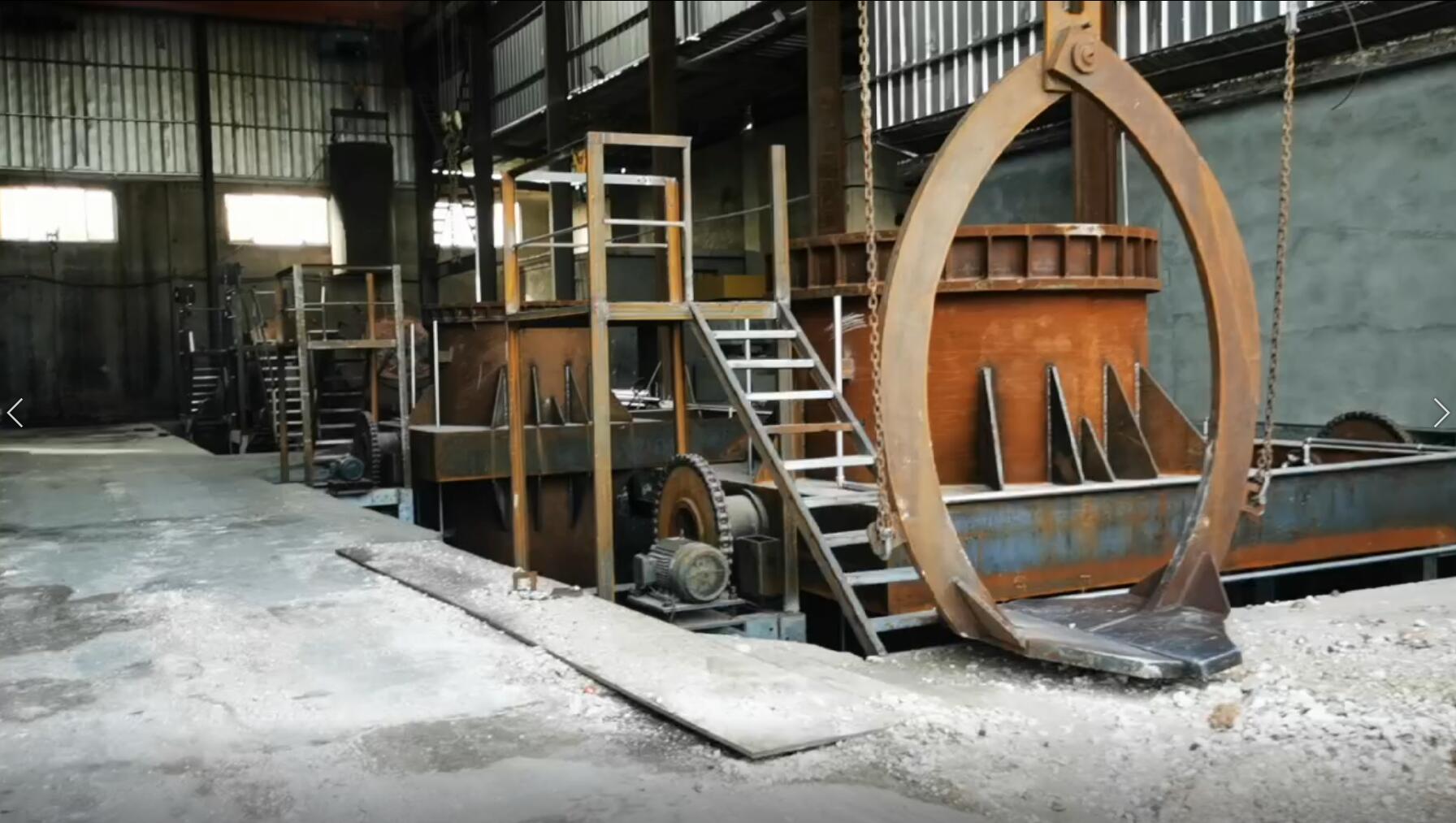
2. Fusion — electric arc furnace
Each 20-tonne batch fuses in a three-phase electric arc furnace at 2200-2500 °C for about 12 hours, yielding roughly 16 tonnes of acceptable ingot (80% yield). Electricity is more than half the cost — a fact we state openly, because it proves no shortcuts on temperature or time.
3. Grading — manual, visual, exact
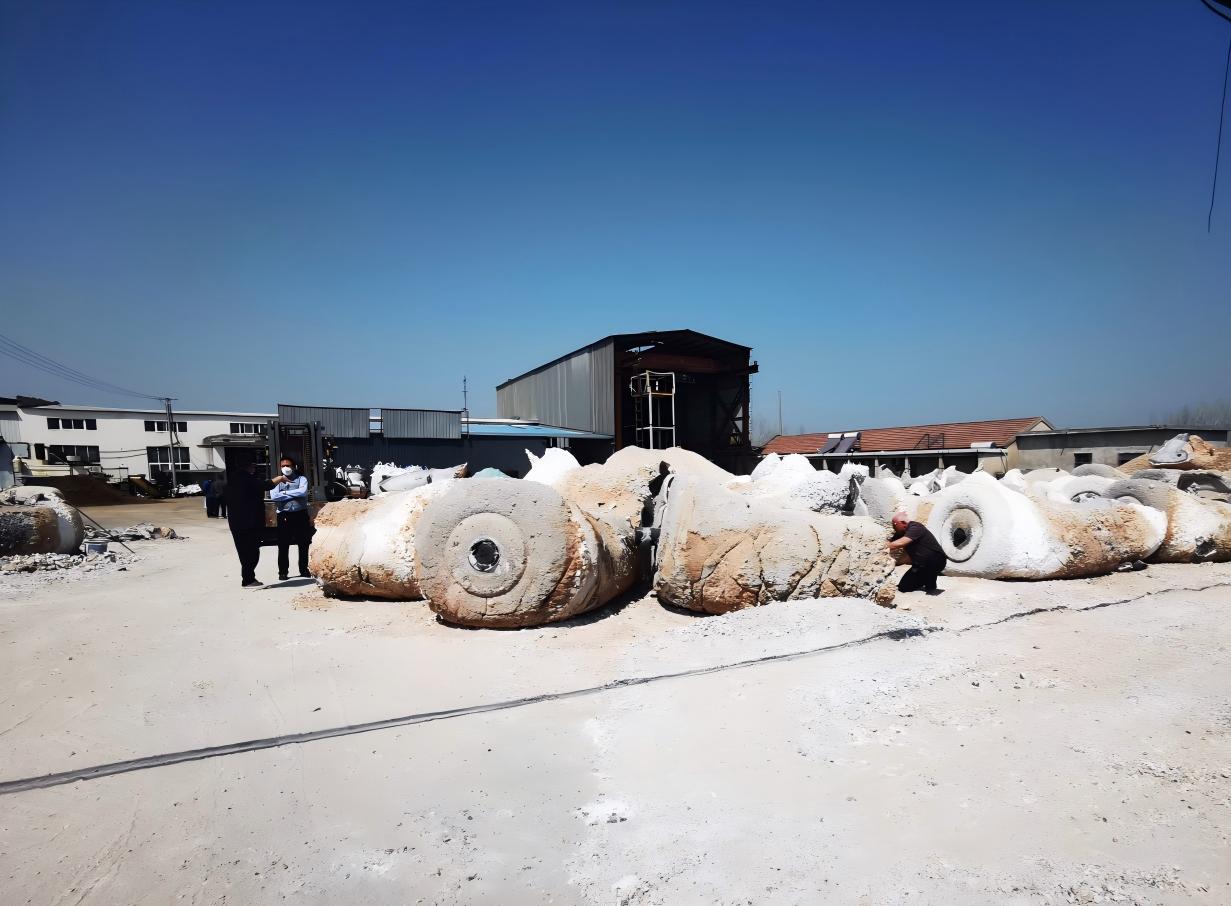
After natural cooling, workers break the ingot into 3-10 cm pieces and sort by transparency, black spots and cristobalite into grades A, AB, B, C and C-/D. This step stays manual because machine vision cannot reliably separate the defects that change end-use performance. The grade you pay for is the grade you get.
4. Sand line — crushed, screened, dust-free
Graded lump goes through a Barmac crusher, impact mill and long screens (rotary vibrating screens) into standard mesh cuts, then a classifier removes fine dust for dust-free stucco sand used in precision casting.
5. Powder line — iron-free grinding
Powder is ground in a ball mill with alumina-ceramic media and linings — no steel contact, so Fe₂O₃ is not added back. After vibrating screening, PSD is verified by Malvern (D10 / D50 / D90).
6. Blending, QC, packing
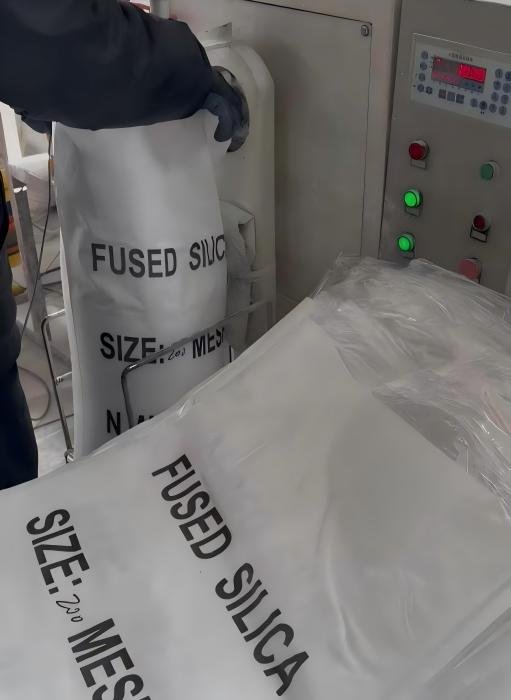
Blending, re-weighing (+2%), final checks against the 12-step QC engineering table, then packing into 25 kg bags or 1 t jumbo bags. Every batch is sampled and tested before shipment.
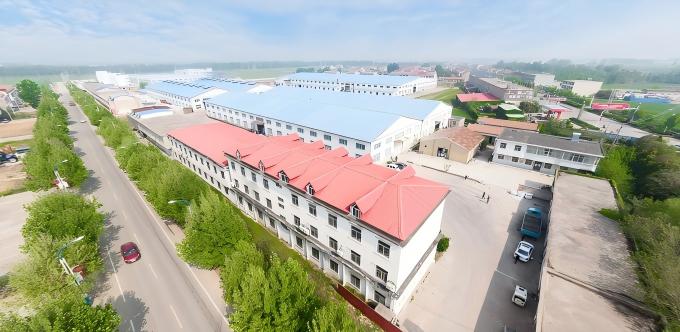
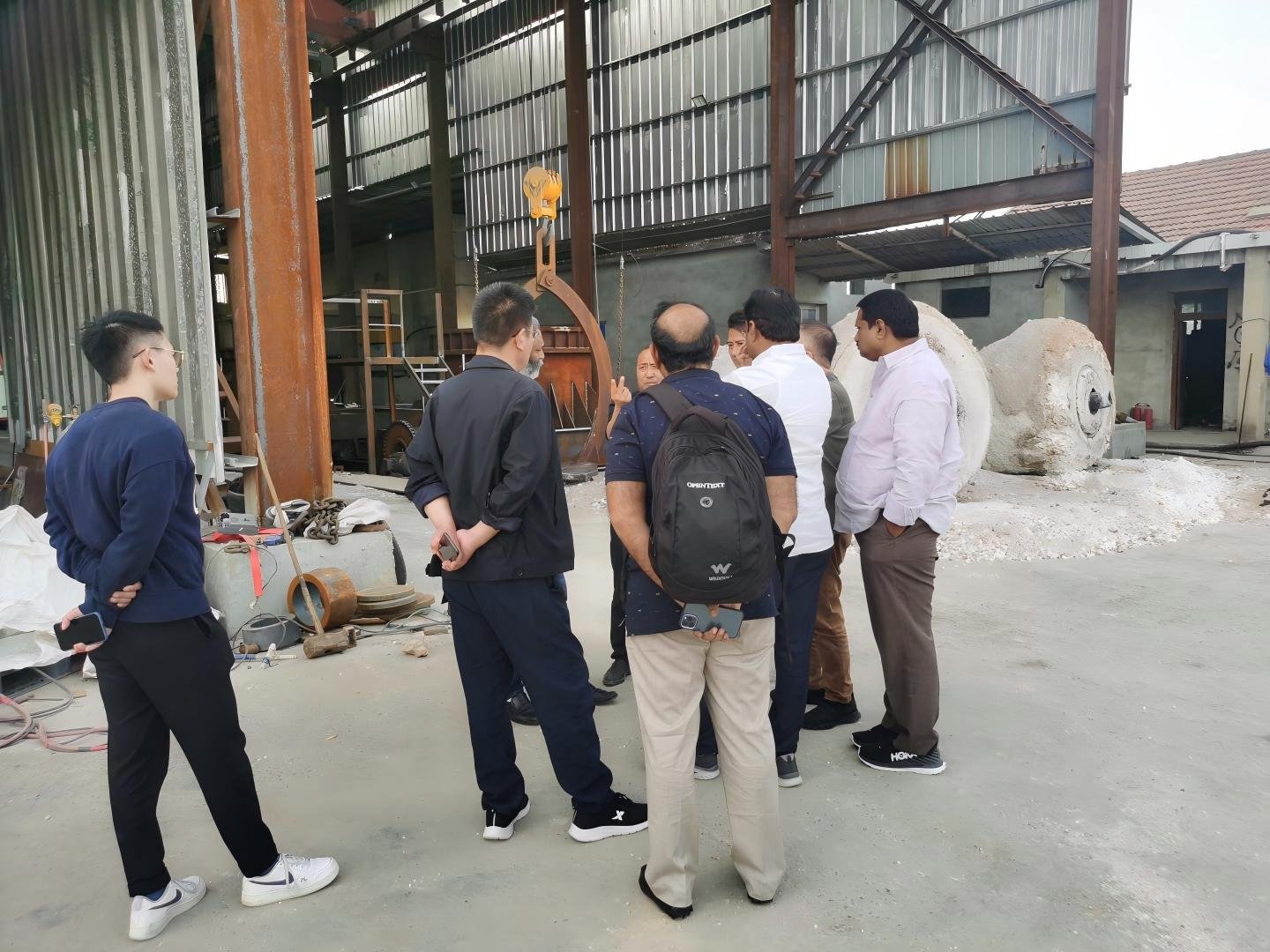
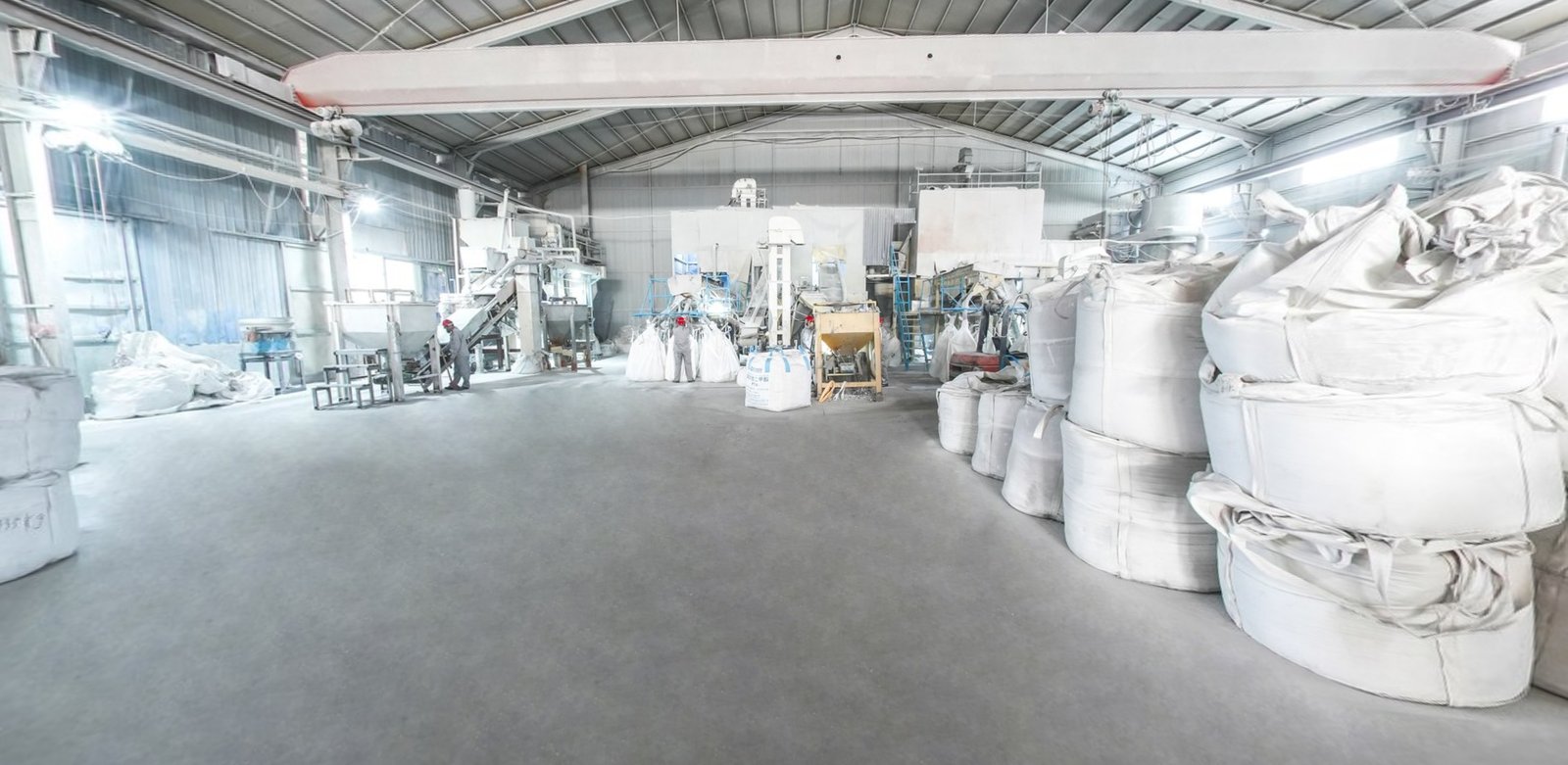
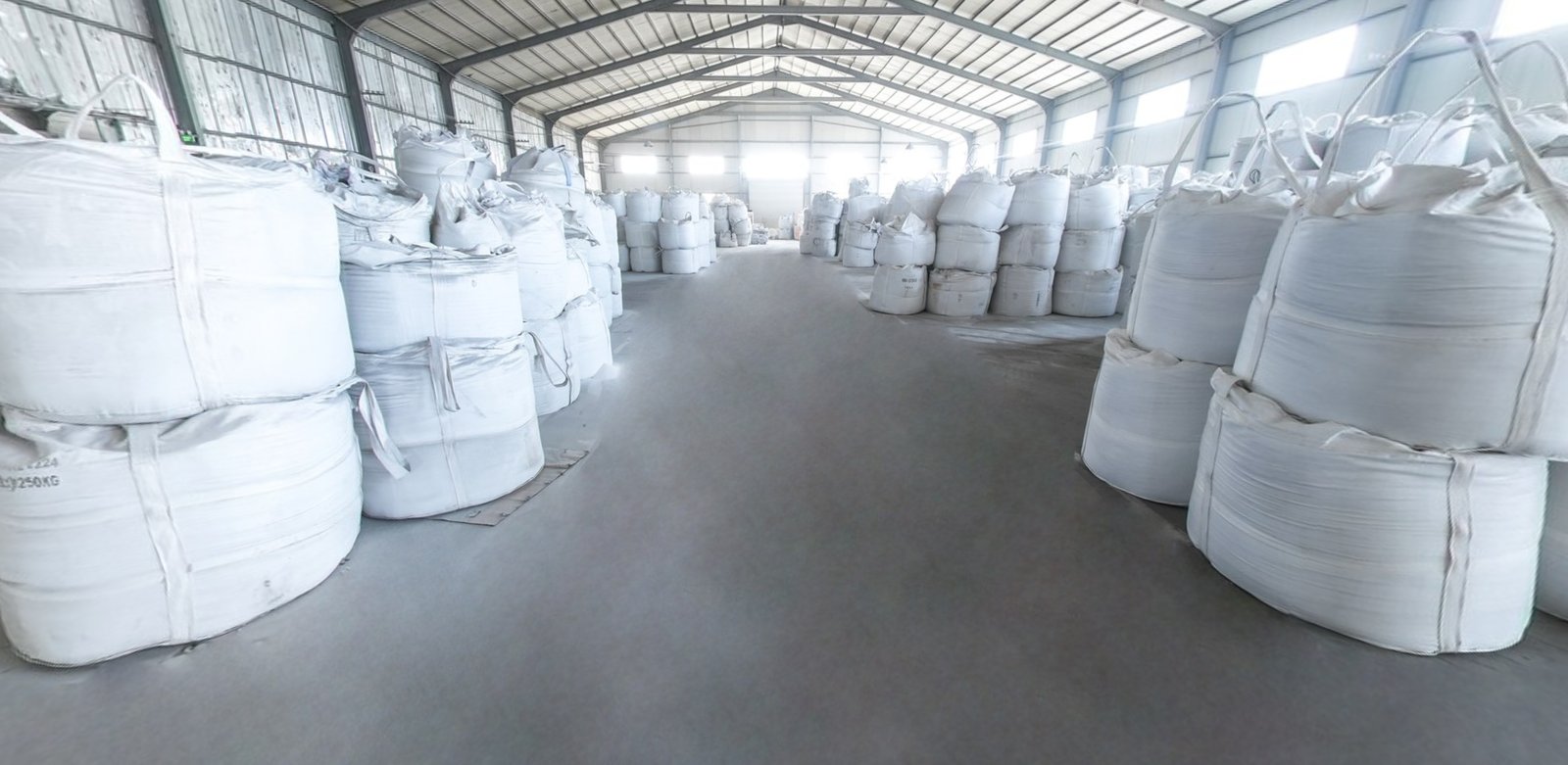
Hechuang Silica Materials — Donghai production base
One of our two partner plants. Electric-arc fusion, manual grading, in-house lab — the source we route orders through when the spec calls for it.
Tested before it leaves — not after it arrives
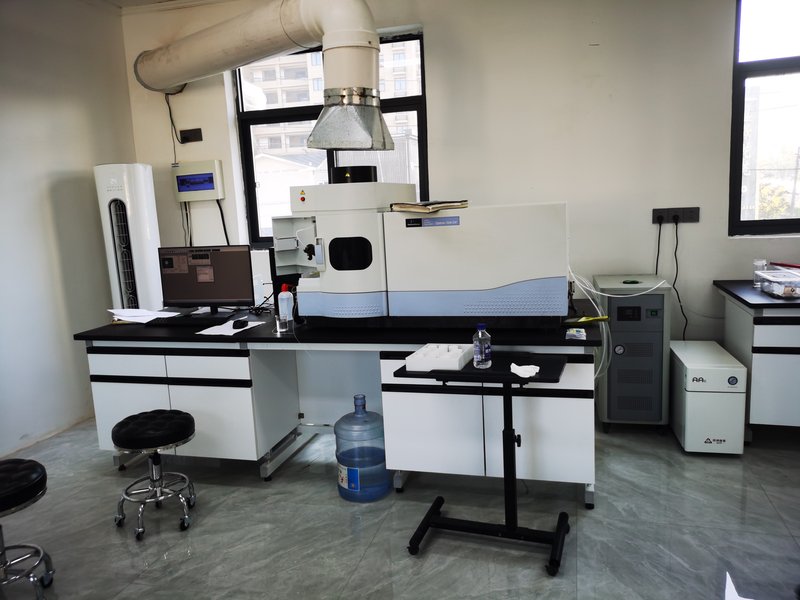
Our laboratory covers almost all standard tests except XRD: chemical composition by XRF/ICP (SiO₂, Fe₂O₃, Al₂O₃, TiO₂, alkalis), particle-size distribution by Malvern plus standard sieves, whiteness, pH and moisture. For customers requiring XRD amorphous-content verification, partner-lab or third-party (SGS) data is supplied.
Every batch is sampled and tested before shipment. The COA that travels with your order matches your purchase specification — so your incoming inspection is confirmation, not discovery.
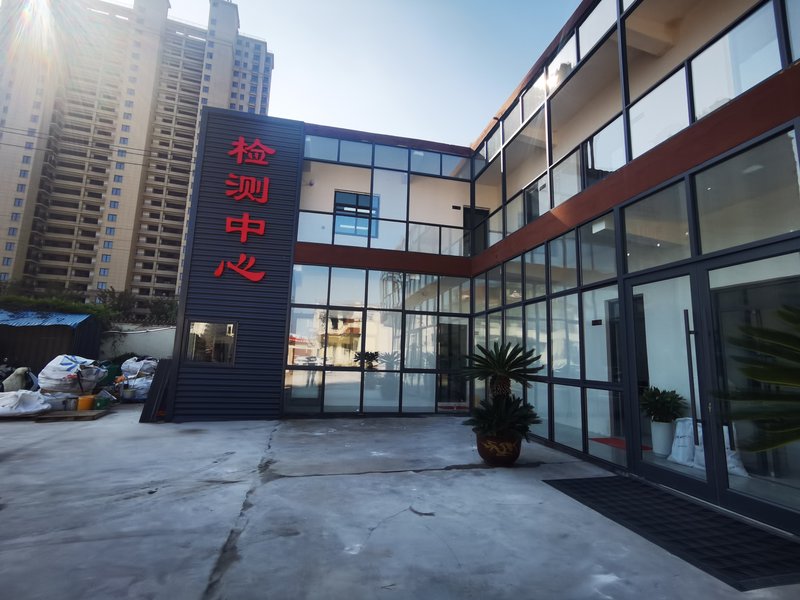
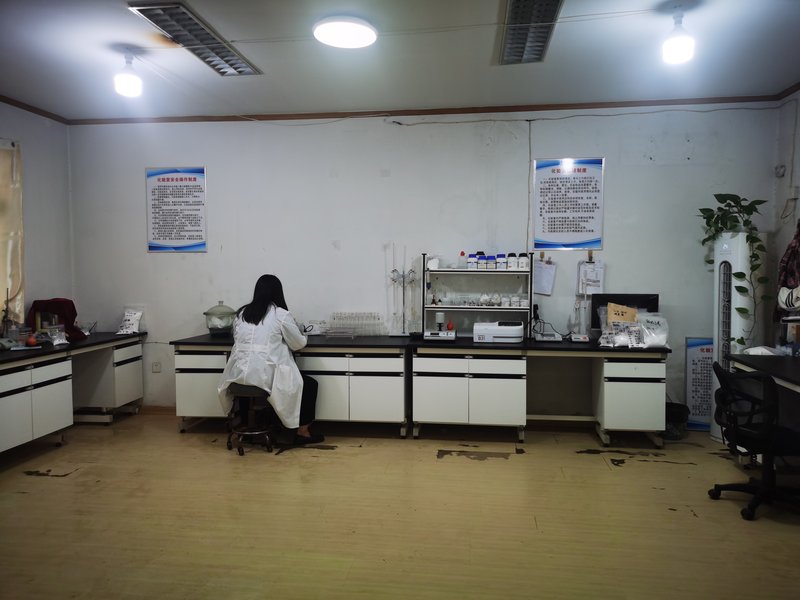
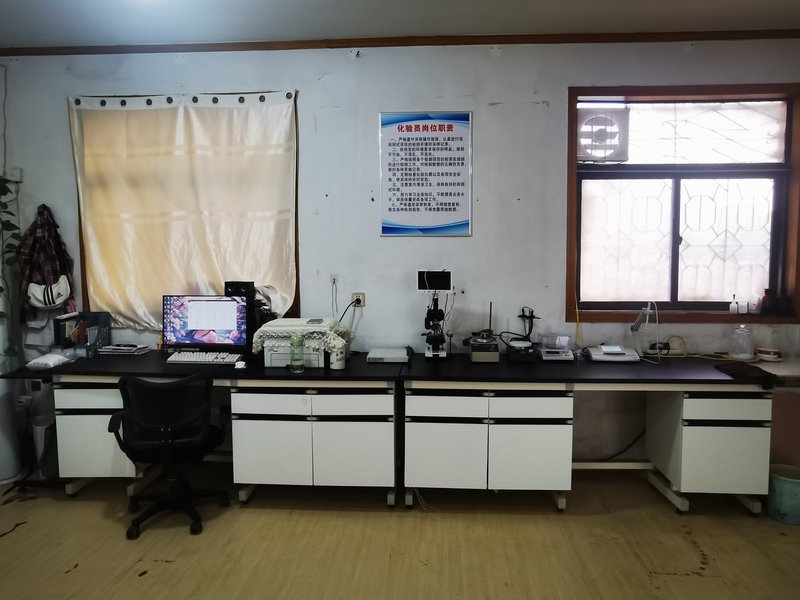
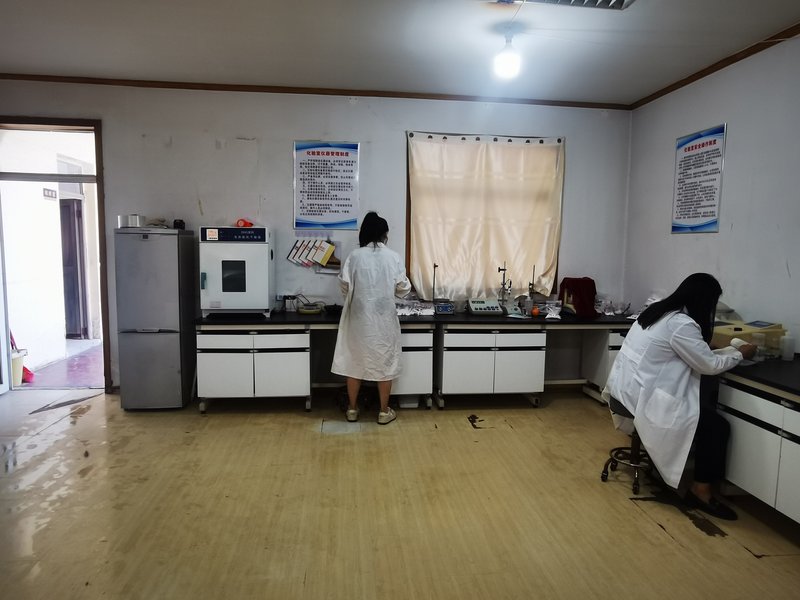
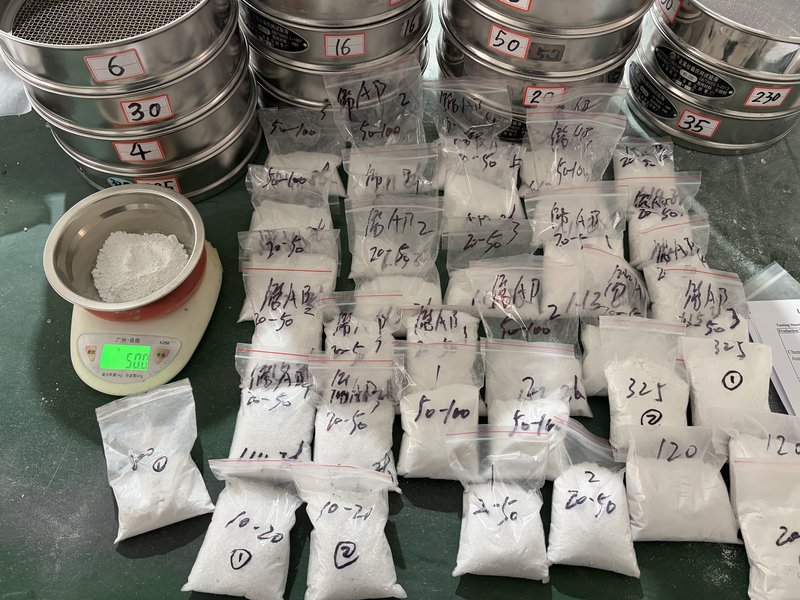
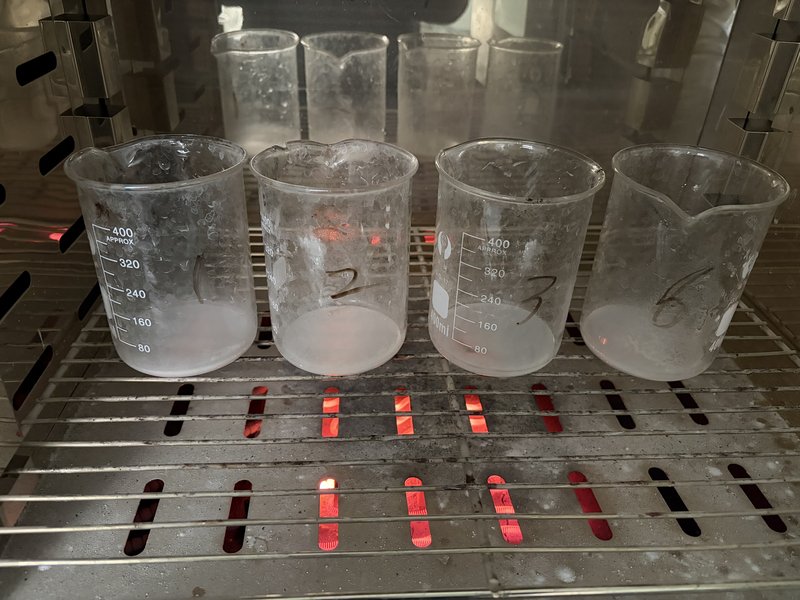
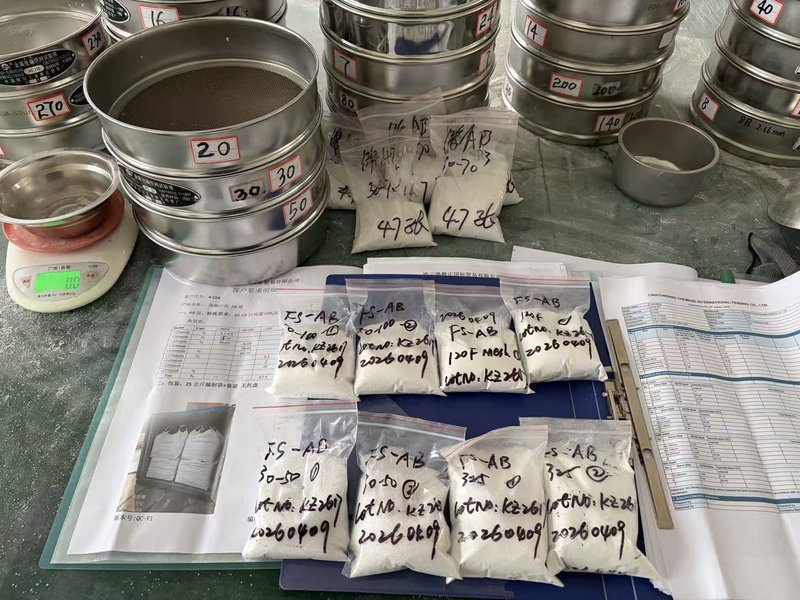
Inside our testing center — equipment, process, retained samples
Our in-house lab in Lianyungang runs XRF/ICP chemical analysis, atomic-absorption spectrometry, sieve grading, drying-oven moisture testing and pre-shipment sampling — with batch-tagged retained samples archived against every COA we issue.
Fused silica export — packing, palletising and shipment worldwide
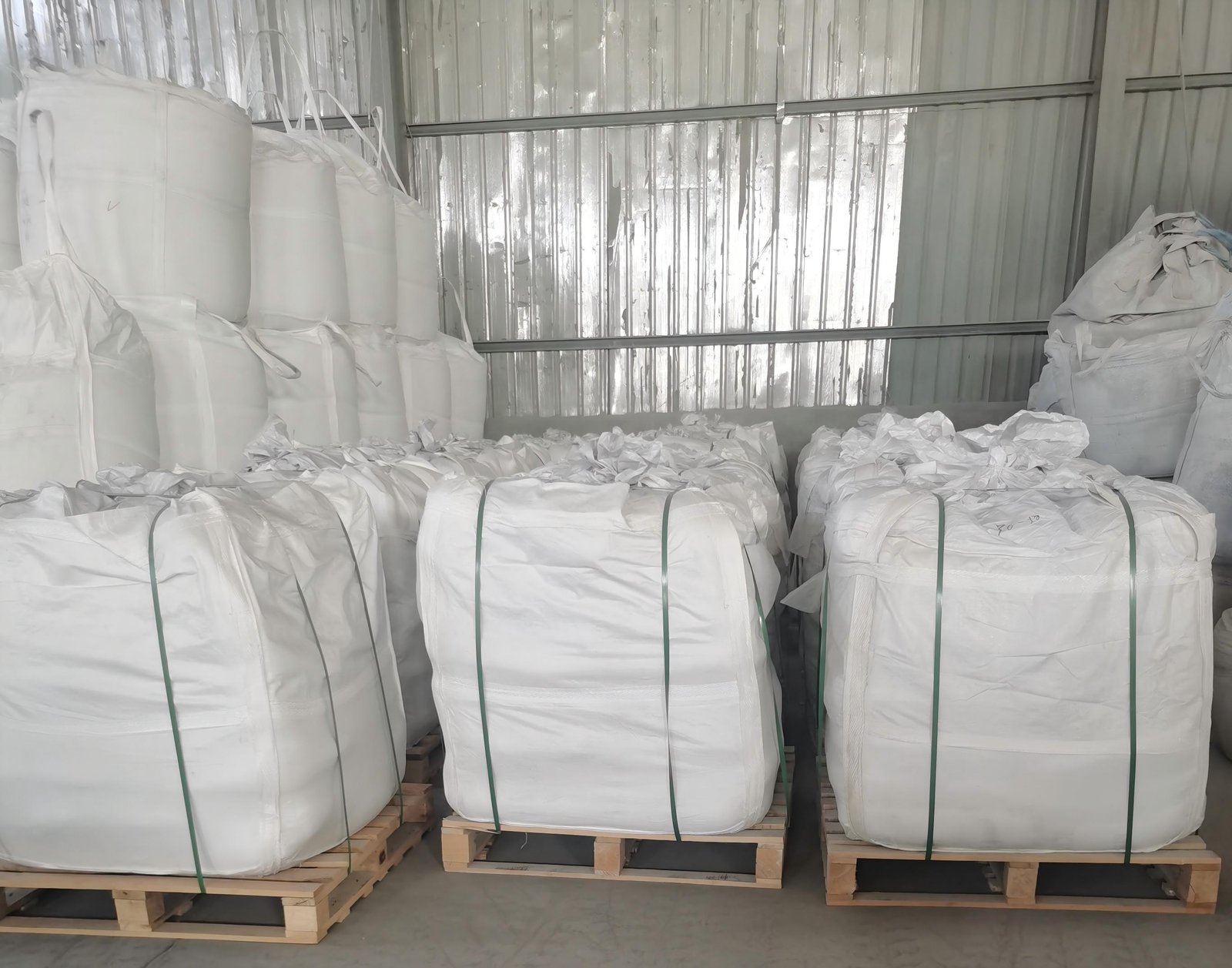
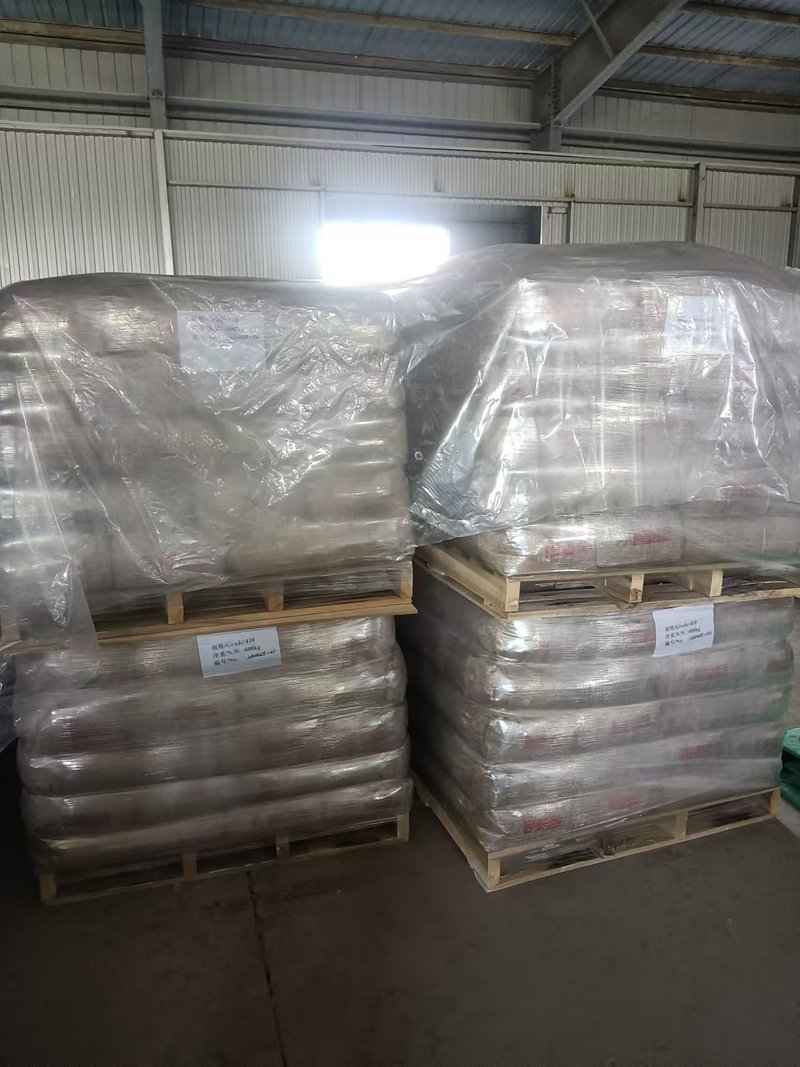
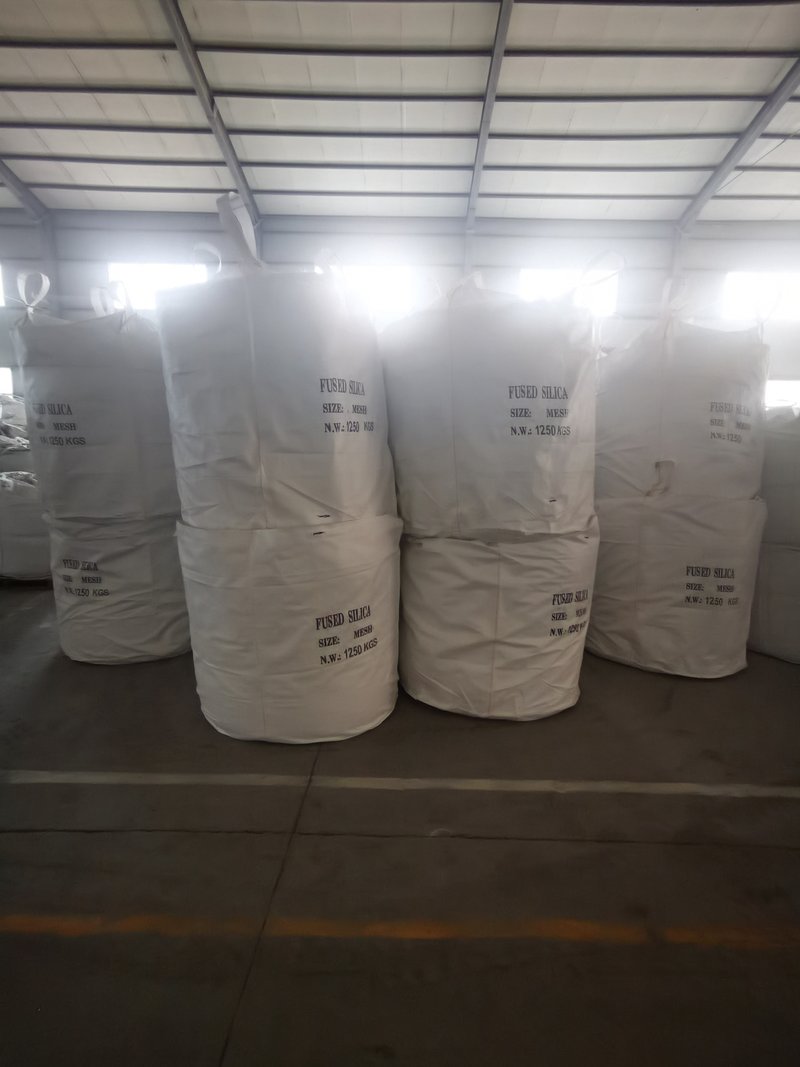
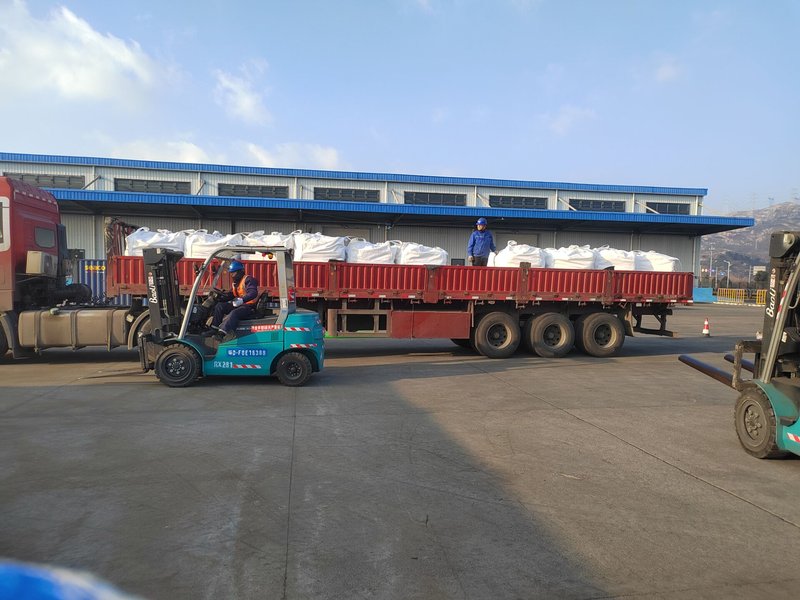
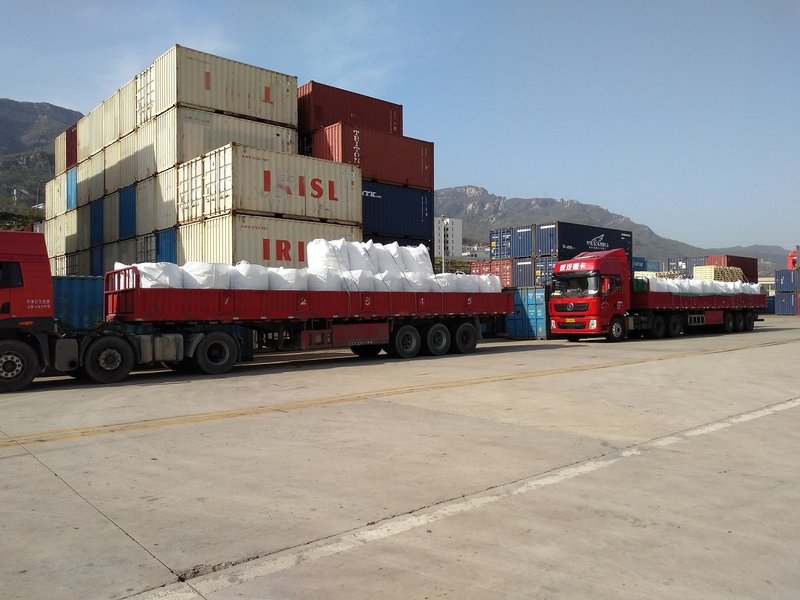
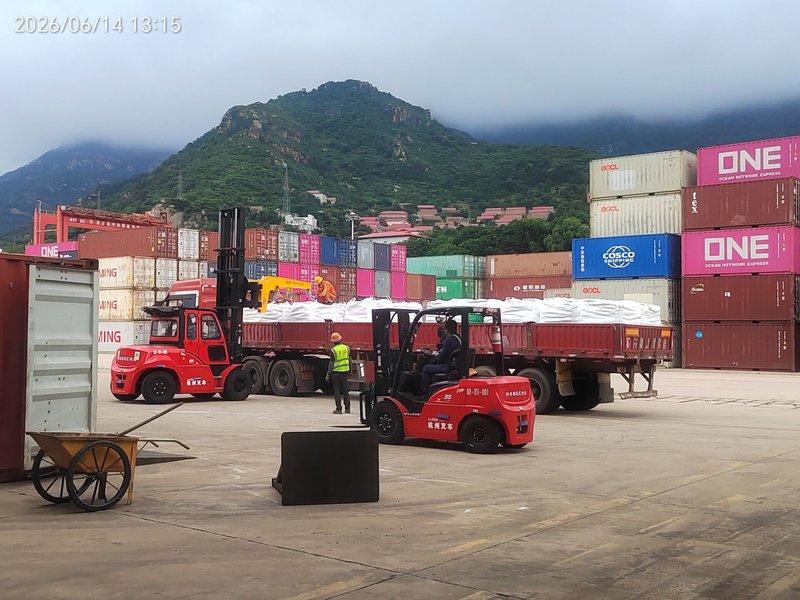
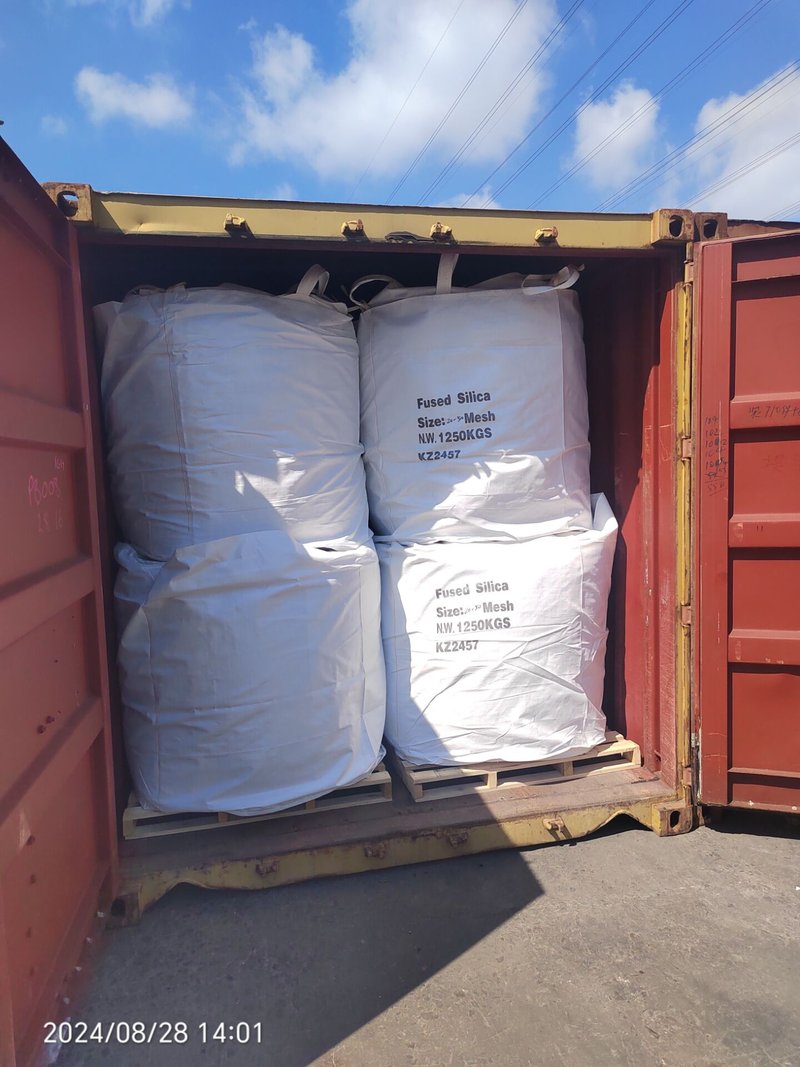
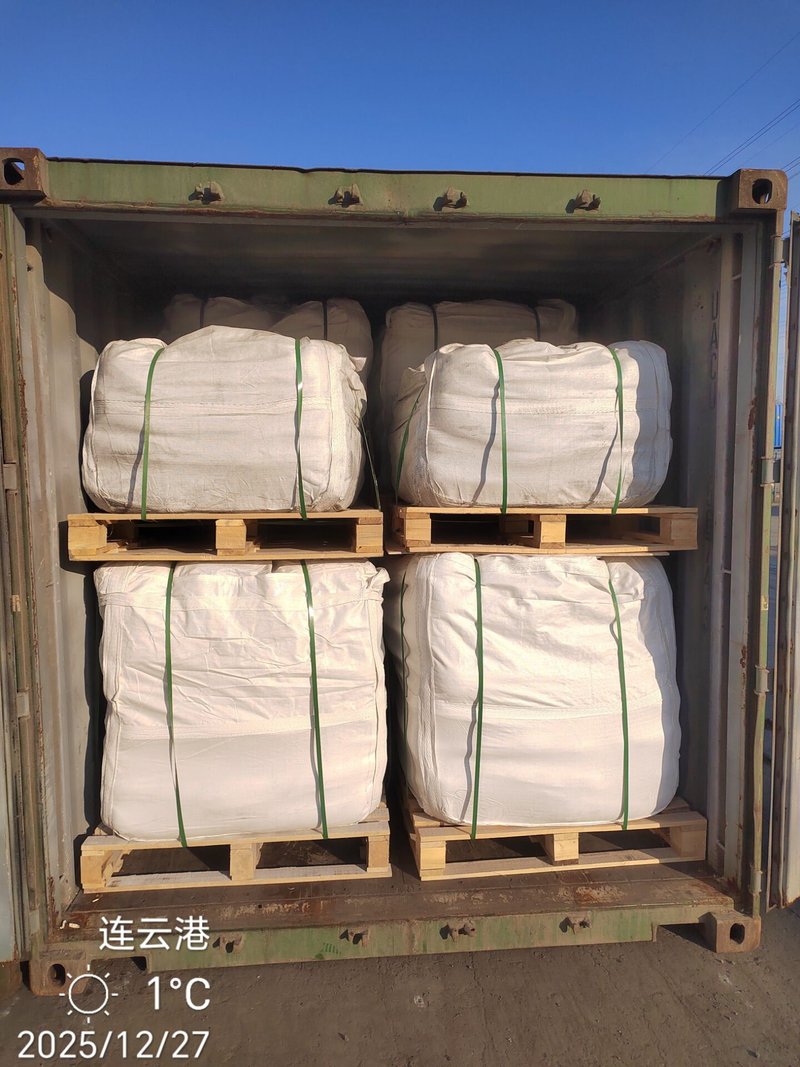
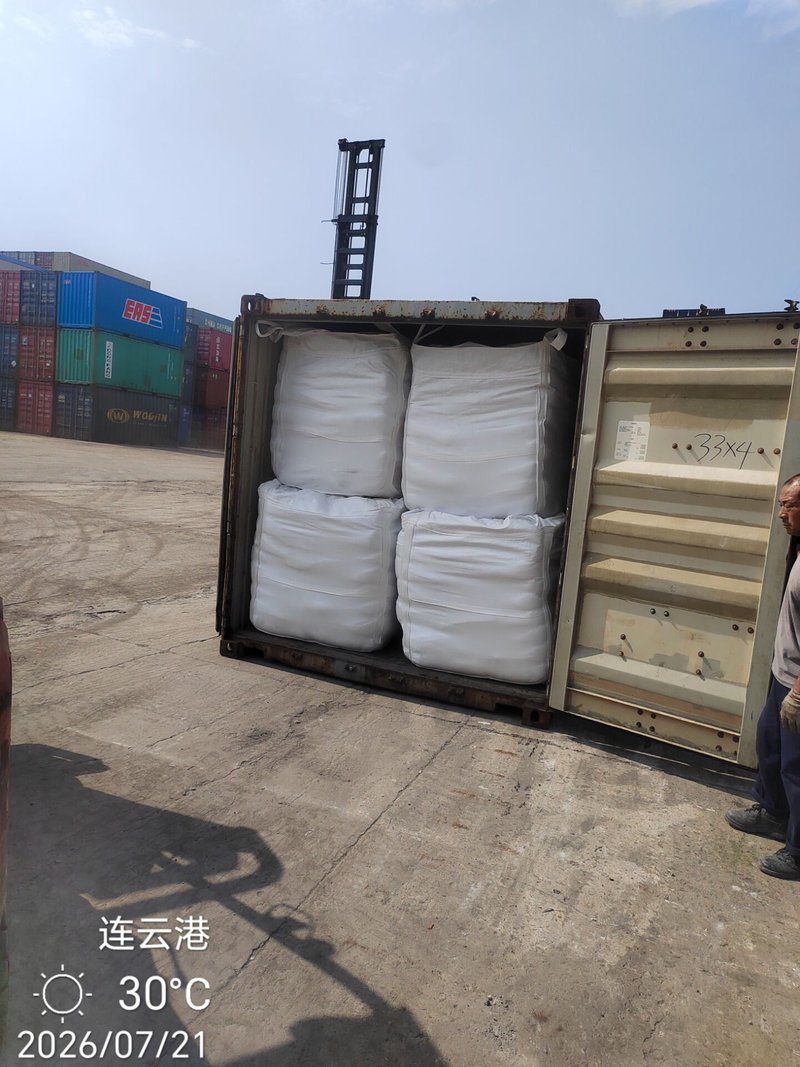
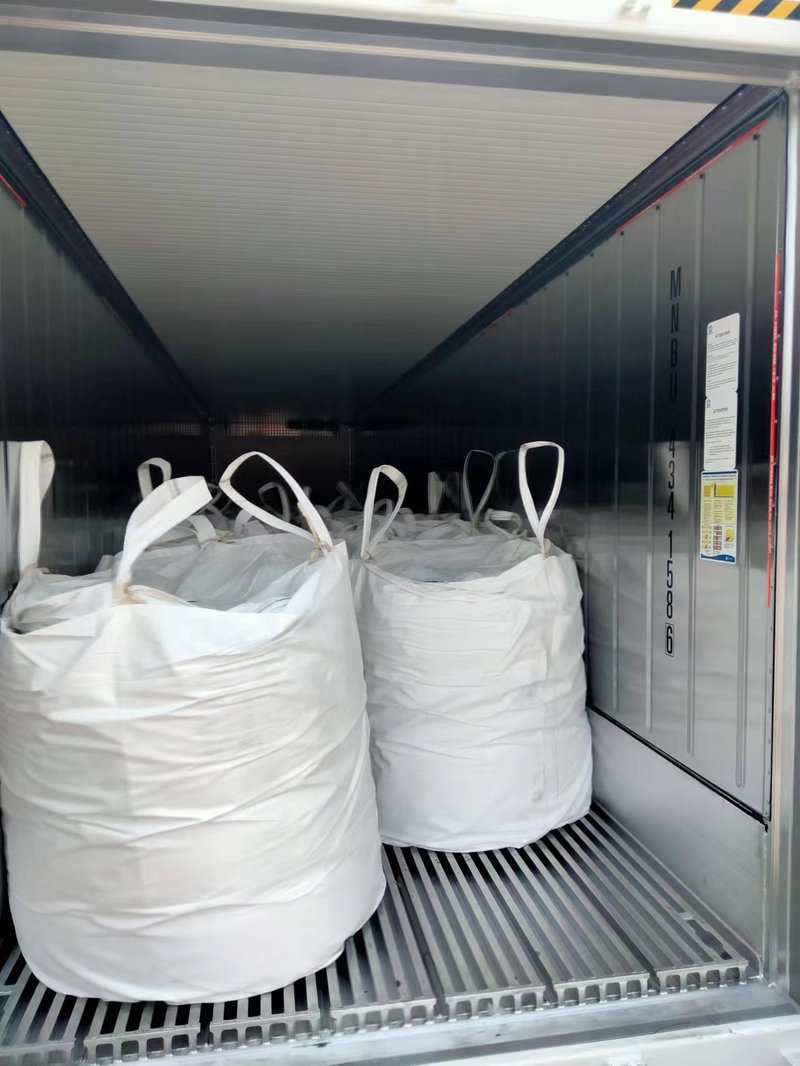
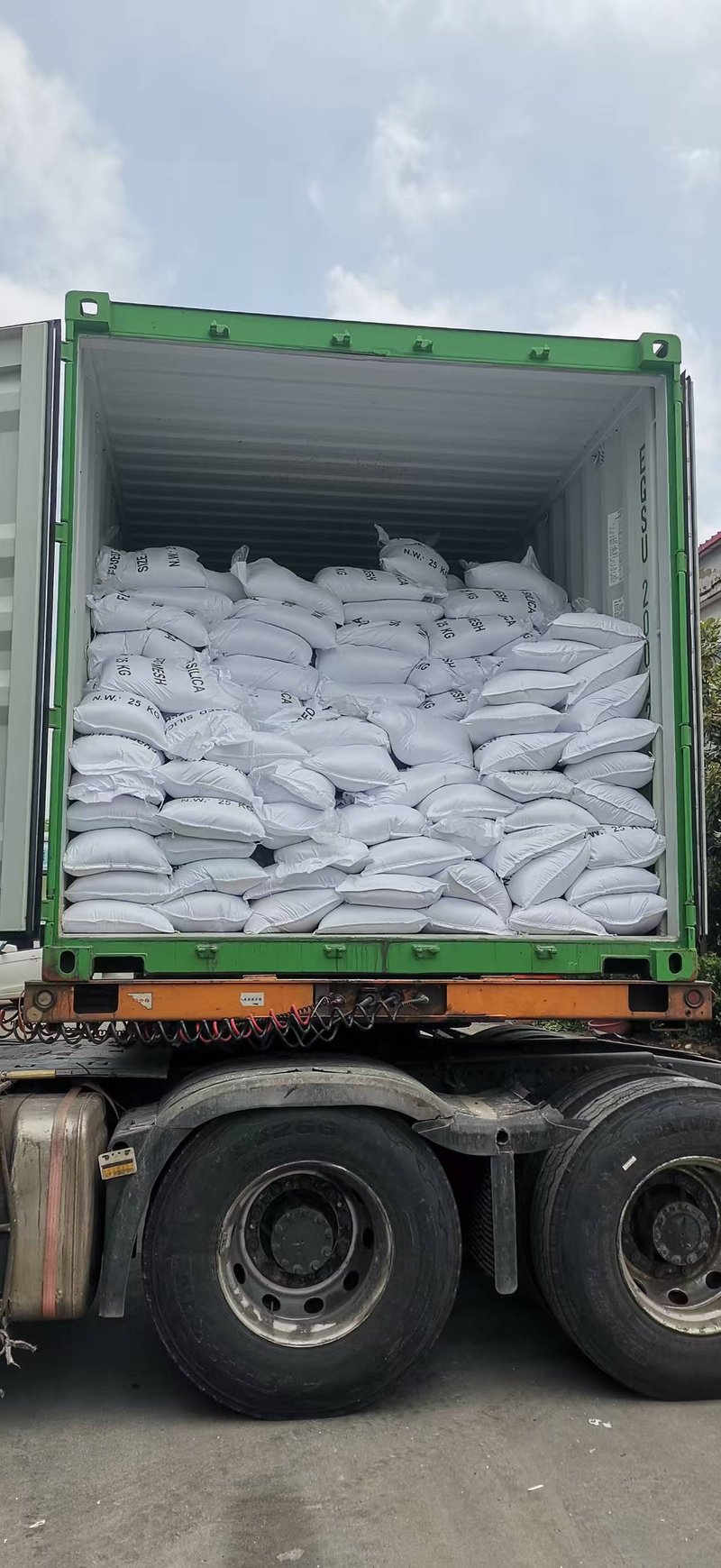
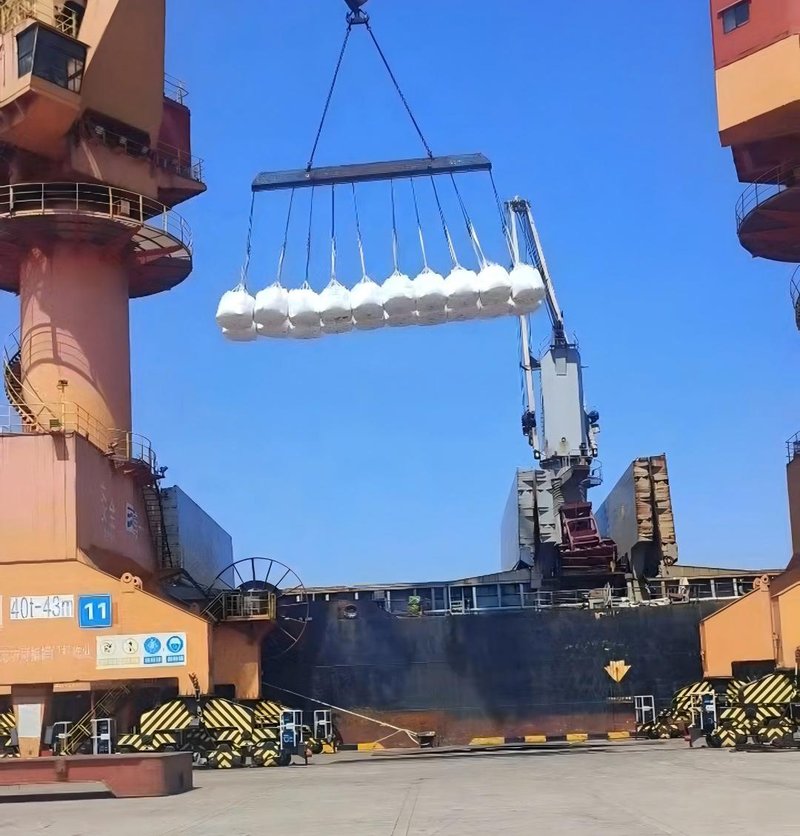
Every finished batch is packed, weighed and shipped with its batch COA. The photos below are real Chemsize export work: 25 kg bags and 1 t jumbo bags, palletised formats (Euro-style, double-layer, jumbo without pallet), warehouse storage with dust and moisture protection, container stuffing and vessel loading — for deliveries to Italy, Africa, North America, South America and India.
Visit the plants, or start with a sample
The most convincing stops: the arc furnace, the manual grading station, the Malvern lab, the 12-step QC wall chart and the container loading area.
Arrange a Visit or Request a Sample